

By Asuquo Cletus
Stakeholders in the water, sanitation and hygiene sector have developed a sustainability roadmap aimed at strengthening the Cross River State Task Group on WASH and ensuring the long-term delivery of water and sanitation services across the state.
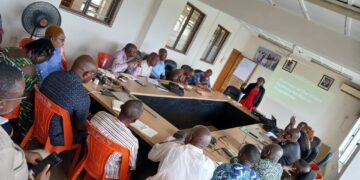
The roadmap was the outcome of a two-day technical workshop held in the state, bringing together sector experts, government officials and civil society organisations to design a strategic framework for improved coordination, resource mobilisation and institutional efficiency.
The workshop was convened by the Society for Water and Sanitation in Nigeria in collaboration with Self Help Africa, in partnership with the Cross River State Ministry of Water Resources.
Declaring the workshop open, the Commissioner for Water Resources, Bassey Mensah, said the state was committed to developing a plan that would stand the test of time and outlive the current administration.
Represented by the Permanent Secretary of the ministry, Dr Okon Ita, the commissioner noted that the government had created an enabling environment that continues to attract private sector participation in the WASH sector.
“We are not just looking at the present. Our objective is to produce a comprehensive plan with a long-term sustainability outlook that will serve the people of Cross River for generations,” he said.
He stressed the need for collaboration among stakeholders, adding that the success of the WASH sector depends on effective partnerships and shared responsibility.
In his remarks, the lead resource person, Williams Ngwakwe, commended the state for what he described as its proactive approach to WASH coordination, noting that Cross River remains one of the most organised states in the sector.
He explained that developing a sustainability plan for the State Task Group on WASH was critical to maintaining momentum, especially in the face of funding gaps and institutional challenges.
According to him, the initiative will help to strengthen coordination mechanisms, improve accountability and ensure continuity in service delivery across communities.
Ngwakwe also urged participants to take advantage of the ongoing policy review to reposition the sector and set a standard for other states to emulate.
Participants at the workshop emphasised the importance of sustained funding, policy consistency and community engagement as key drivers for the success of the proposed roadmap.
The State Task Group on WASH serves as a coordination platform for stakeholders working to improve access to clean water, sanitation and hygiene services, particularly in underserved rural communities.
