

Asuquo Cletus
As part of efforts to improve public health, expand access to safe water and sanitation, and eliminate open defecation across the state, The Cross River State Government in collaboration with Self Help Africa has launched its Water, Sanitation and Hygiene (WASH) Policy.
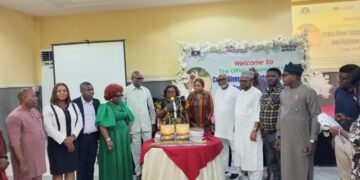
The policy was unveiled on Friday at Channel View Hotel, Calabar, during a stakeholders’ ceremony attended by government officials, lawmakers, development partners, and civil society organisations.
The Commissioner for Water Resources, Bassey Mensah, who represented the Governor of Cross River State, Bassey Otu, said the launch was “not just a ceremonial unveiling of a policy document, but a celebration of shared vision, collective effort and renewed commitment to improving the quality of life and health outcomes of our people.”
Mensah said the policy review process was inclusive and transformative, involving stakeholders from government institutions, the State Legislature, development partners, civil society organisations, and the private sector.
“The entire process reflected our collective determination to build a policy that responds to present realities while preparing for future challenges,” the commissioner said.
He added that the approval of the WASH Policy by the State Executive Council demonstrated the governor’s commitment to prioritising water, sanitation and hygiene as essential drivers of human development.
“The approval of the WASH Policy by the State Executive Council is a clear demonstration of the Governor’s resolve to prioritise water, sanitation and hygiene as key drivers of human development,” Mensah stated.
He urged all stakeholders to focus on implementation, stressing that “the true value of this document lies in its implementation and impact,” and described the policy as “a collective promise to our communities to ensure safer water, dignified sanitation, improved hygiene practices and healthier lives.”
In his remarks, the Chairman of the Cross River State House of Assembly Committee on Water Resources and member representing Etung State Constituency, Kingsley Ntui, said legislation remained critical to the success of the WASH programme.
“Our duty as an Assembly is simple. While we play oversight and budgetary roles, the most cardinal issue is legislation. When the right laws are not in place, it will be difficult to get the WASH programme right,” Ntui said.
He disclosed that the House had passed the Water Law and was close to passing the Open Defecation Prohibition Bill, which he sponsored.
“As I speak with you, the bill has gone through first and second readings and public hearing. It is left with the third reading, and I assure you that by the end of next week, it will be passed into law,” he said.
Also speaking, the Country Director of Self Help Africa, Joy Aderele described the policy launch as a major milestone in the organisation’s 26-year partnership with Cross River State.
“This policy reflects a strong commitment to strengthening inclusive and sustainable WASH services in Cross River State,” she said, urging the government to back the policy with adequate funding and sustained political will.
She recalled that Cross River recorded Nigeria’s first Open Defecation Free local government in 2016, but said the state could still attain full ODF status with commitment and coordinated action.
“The successful launch of this policy must now be matched with strong political will and sustained action. This policy is not the end of the journey it is only the beginning,” Adelere added.
